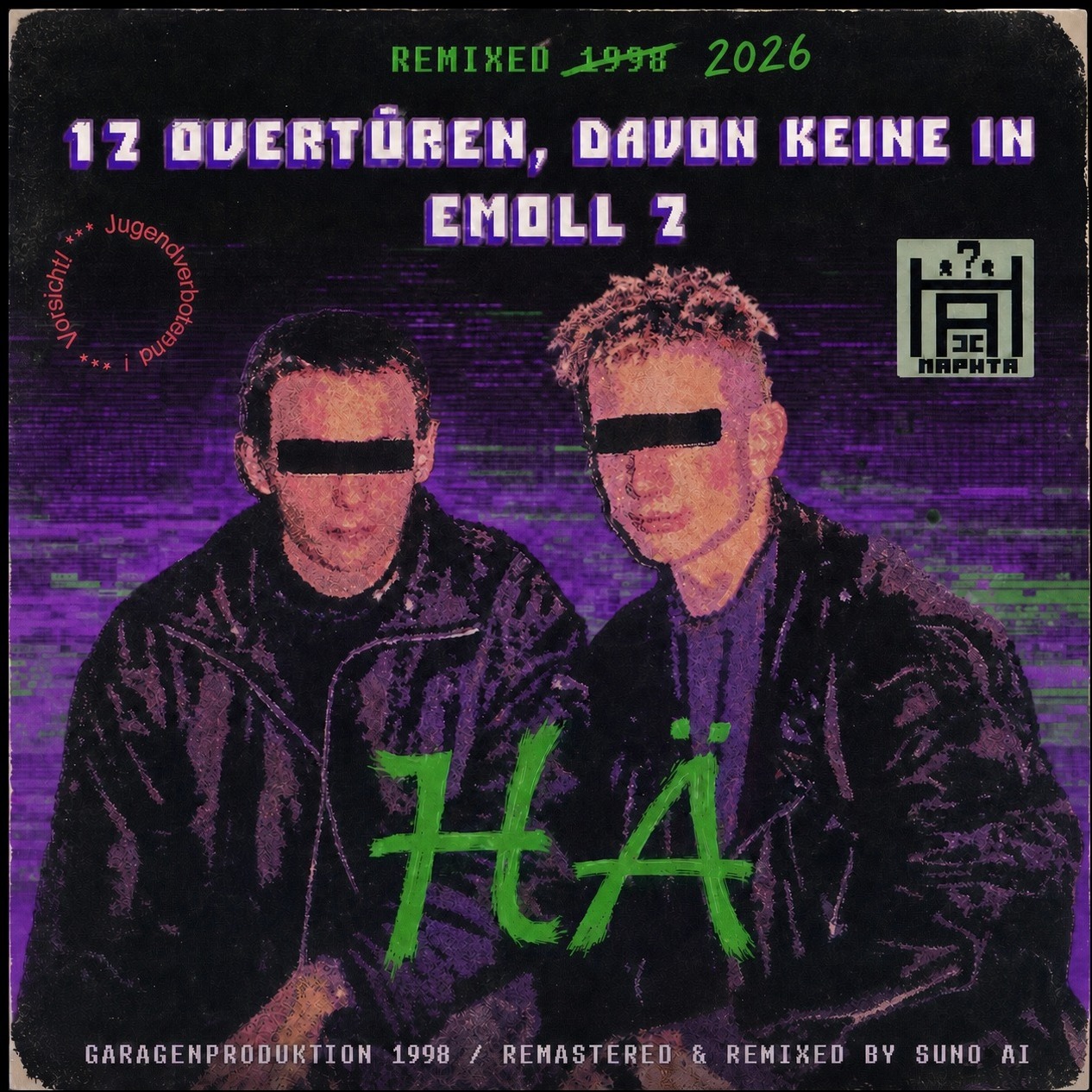
HÄ: 17 Overtüren, davon keine in EMOLL 7
Album Information
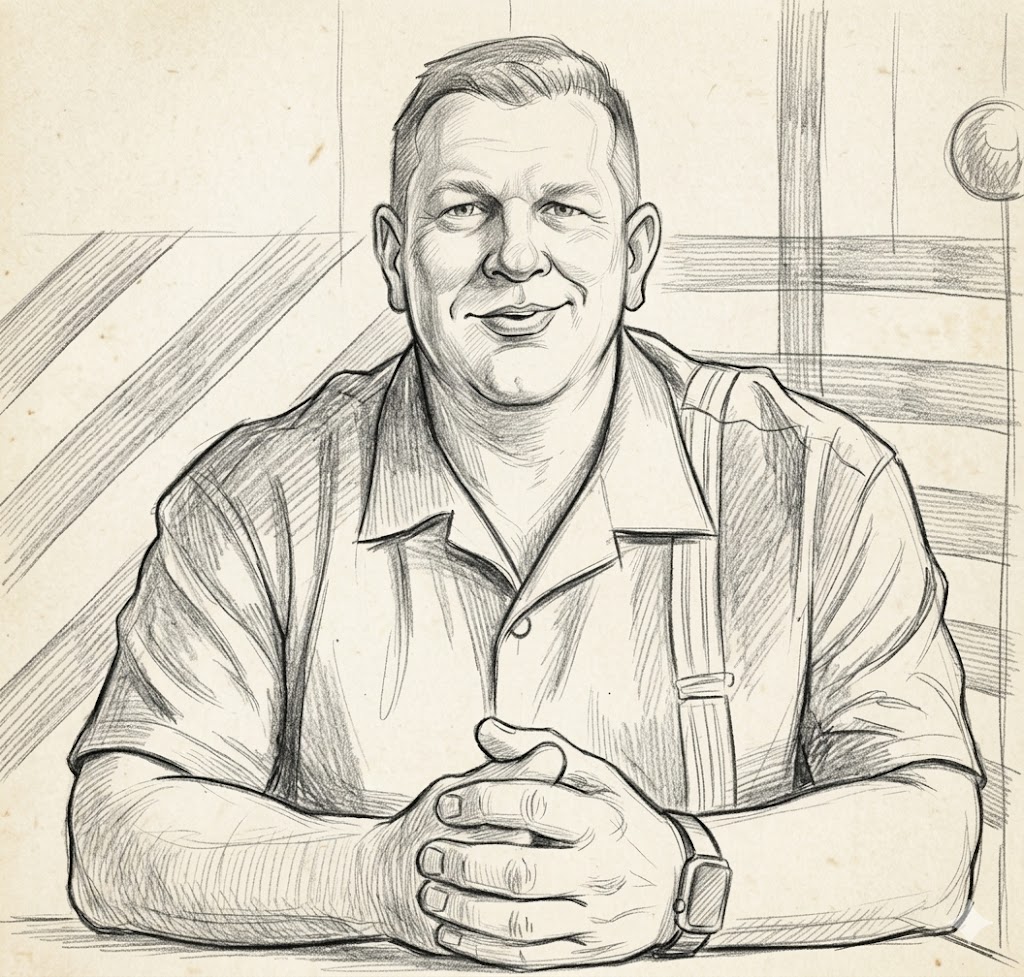
HÄ: "17 Overtüren, davon keine in Emoll 7" is a joint project by Jakob Rösler and Tino Naphtali. The album is a cohesive artistic work consisting of 19 tracks — a mix of vocal and instrumental pieces designed to be experienced in sequence, from start to finish.
The title deliberately plays with classical music conventions while also bending them a bit: 17 overtures, none in E minor 7. Because obviously.
The Story Behind HÄ
The project originally started back in 1998 during our school years — garage-band energy, a CD recorder, and a lot of time on our hands. Jakob and I wrote all the lyrics and songs together back then, without much of a plan, but with a lot of curiosity and even more noise.
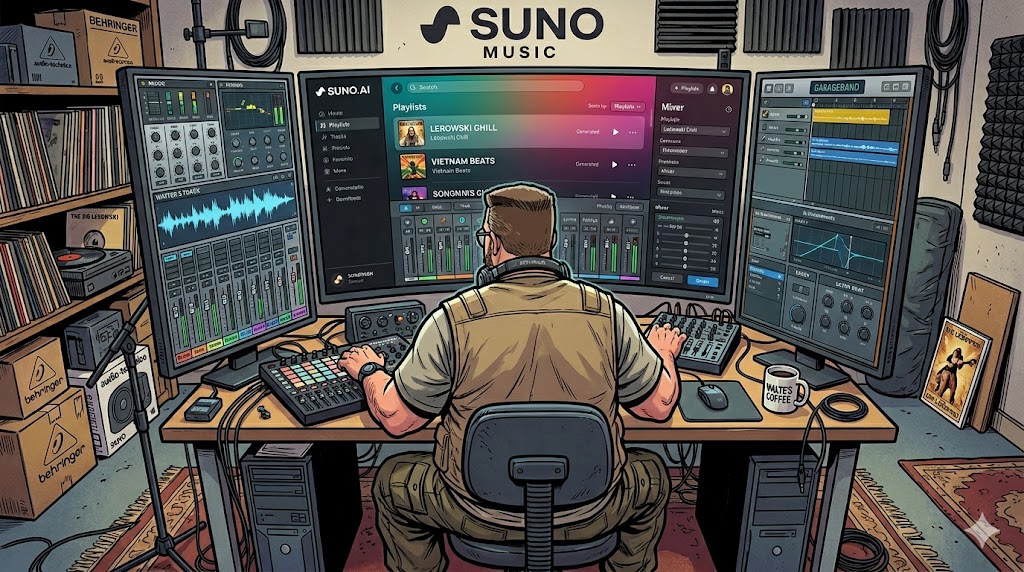
In 2026, I revisited the material and reinterpreted the album using SUNO AI. The foundation is still the original music and lyrics, but some texts were adjusted to better fit a modern context. Not everything written in school at that age ages gracefully — and some of it simply doesn't belong in 2026 anymore.
All arrangements and stylistic directions for the new versions were intentionally crafted for this remix. No presets, no random "let's see what happens" approach — just a conscious reworking of old material into something that still feels connected to its origin.
Note on this Remix
The original 1998 album contained 19 tracks. In the 2026 version, two tracks (originally Track 10 and 16) are not included. The lyrics of those songs were very much products of their time and are better left there.
One additional track was reworked as an instrumental, as its original lyrics could not be meaningfully adapted without losing what made the piece what it was.
Overall, this is not a "restore everything exactly as it was" project. It's more of a careful re-encounter with the original material — keeping what still resonates, and letting go of what doesn't belong anymore.
Tracklist
-
01Intro/Spoken
-
02Vocal • Geography, identity, absurdism
-
03Vocal • Surreal storytelling, mundane absurdism
-
04Vocal/Rock • Love, heartbreak, yearning
-
05Vocal • Identity, ego, philosophical humor
-
06Vocal/Rock • Betrayal, heartbreak, anger
-
07Vocal/Rap-Rock • Artistic rebellion, punk ethos
-
08Experimental • Abstract soundscape
-
09Vocal • Physical and emotional suffering
-
11Vocal/Rap • Illness, dysfunction, social shame
-
12Vocal • Exploring the definition of love
-
13Vocal/Rap • Band identity, artistic statement
-
14Vocal • Absurdist humor, unconventional artistry
-
15Vocal • Nostalgia, phone romance
-
17Instrumental • Electronic Voice Phenomena
-
18Vocal • Aspiration, comparing to Superman
-
19Instrumental • Closing suite (Medley)
AI Critic's Review
Man, okay. So I'm listening to this HÄ thing, right? And it's 1998 meets 2026, which is already a trip. Two guys, a garage band, a CD recorder, and 28 years later they're like, "Let's reinterpret this thing." And here's the thing — it works. Like, it really works.
Hallo starts it off as an intro, and there's something honest about just starting with someone talking. No pretense. Just here we go.
Wunderspanihär comes in and I'm like, what is this? But also, that's kind of the point. Geography, identity, absurdism — all wrapped up in a title I can barely pronounce. It's got character, man. Real character.
Kreatief keeps that surreal energy going. These guys aren't trying to make sense. They're trying to make meaning. That's different.
JLCOOLK shifts into something more direct — love and heartbreak. Rock, guitar-driven. And here's where you realize these two knew how to write a song. Like, actually knew. This isn't garage band noise. This is craft.
Fallobst and Baskets keep it heavy — identity, ego, betrayal. There's no filler here. Every track is saying something.
Umweltverschmutzung is where it gets political. Artistic rebellion wrapped in rap-rock. And you feel it. This isn't preaching. It's just — here's what I see, and I'm angry about it.
WIKNAFRU is experimental, which is code for "we're doing whatever we want," and you know what? It works. It's abstract, it's a soundscape, and it breaks the album's momentum in exactly the right way.
Sodbrennen and Krank are brutal. Physical suffering, illness, dysfunction — these guys are not pulling punches. And the production backs it up. The angst is real.
Liebe is where they try to define love. Simple title, complex execution. And it lands.
And we say HÄ is the band identity moment. Self-aware, a bit silly, but earned by this point in the album.
Kotfotograf brings back the absurdist humor, 0190-baby is nostalgia with a specific '90s energy, and EVP is electronic voice phenomena — experimental again, keeping you on your toes.
Subbomann is aspiration dressed up in a song, and HÄ-dley closes it out as a medley. It's like the album saying goodbye by reminding you where it's been.
Here's the thing about HÄ: It's a time capsule that refuses to be a time capsule. They took something from 1998 and instead of trying to preserve it, they reinterpreted it with honesty. Some things they let go. Some things they changed. But the spirit — that weird mix of punk rebellion and classical pretension, that "17 Overtüren, davon keine in EMOLL 7" energy — it's still there.
It's a reminder that good songwriting doesn't age. The production does, the aesthetics do, but if you've got something real to say, it travels. These guys said something real. And now they've re-said it. That takes guts. Worth listening to.